April is designated as World Autism Month and starts with World Autism Day on April 2nd. The month is dedicated to raising awareness and to promote understanding, acceptance, and inclusion for autistic individuals and their families. April was chosen as the month because it coincides with the start of spring, a time of growth and hope.
Engaging in activities with your child during this month not only fosters bonding but also supports various developmental skills. Here are five activities in Ottawa that cater to Autism awareness, advocacy, and acceptance and that also offer you and your child opportunities to foster growth and development:
Attend the “Autism on the Hill” Event
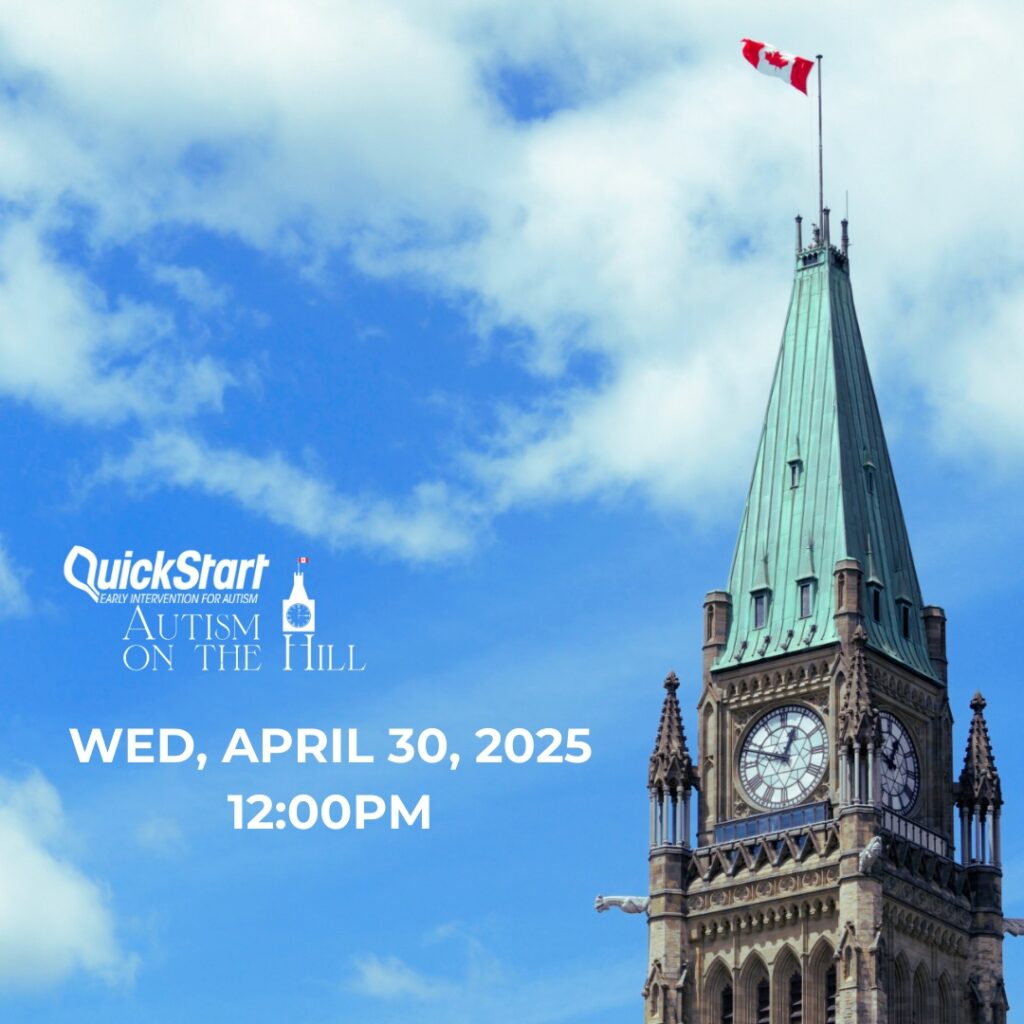
Scheduled for April 30, 2025 starting at noon on Parliament Hill, this event features guest speakers and displays the “Faces of Autism” banners.
Participating in community events like “Autism on the Hill” provides an opportunity to take part in an autism-friendly and welcoming event, and it also provides an opportunity for children to learn important skills such as:
Language skills — acquiring vocabulary about autism and advocacy, and expanding their understanding of the many faces of autism (e.g., skills, abilities, similarities, and differences).
Motor skills — children can increase their motor skills by holding flags and banners celebrating Autism Day that they created by drawing, cutting, and colouring. They can also increase their motor skills and stamina while walking to the event, standing in the crowd, and perhaps pulling a wagon with seating that may be a needed change from standing.
Social skills — engaging in such events can boost social skills as children learn to listen to speakers and have opportunities to interact with peers and other individuals gathered for the event.
For more details, visit autismonthehill.ca.
Try Flying Squirrel Sports Trampoline Park
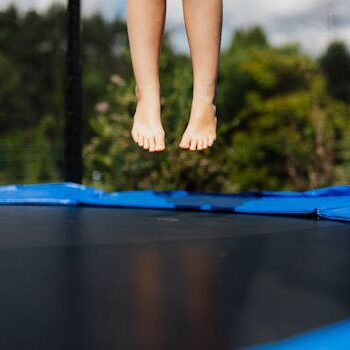
In Ottawa, the Flying Squirrel Sports Trampoline Park caters to individuals with special needs. They offer discounted rates for individuals with special needs and free jump time for one aide, parent, or caregiver, and also host monthly networking events on the first Tuesday of every month for families with children with special needs. There is also a climbing wall onsite. Jumping on a trampoline is one of the favourite activities for many children and adults with autism. The sensory feedback and repetitive motions provide them with the input they are often seeking in activities. Visiting a trampoline park or using a trampoline in your backyard can also provide opportunities for skill development in other areas.
Language skills — acquiring vocabulary related to jumping and climbing helps to expand their understanding and use of action words (e.g., jump, bend your knees, sit down, turn around, roll, stop) and also may help them to follow increasingly more complex instructions (e.g., “Jump 2 times and then sit down.” “Before sitting down, jump high with your arms and legs spread out like a star.”).
Motor skills — children can increase their gross motor skills (i.e., large limbs such as the arms and legs) by learning to control their body in space and use their legs and arms independently and in a coordinated way. They can also practice getting ready to jump by removing their shoes and putting on jumping socks or specialized footwear depending on the venue.
Social skills — engaging in such events can boost social skills as children learn to listen to the adults in the trampoline park, have opportunities to interact with peers and other individuals jumping and climbing, and increase their exposure to different places, sensory stimulation, and noise levels which will help them to learn to regulate themselves in various settings.
For more details, visit flyingsquirrelsports.ca/ottawa-ontario.
Engage in Activities at the Walter Baker Sports Centre
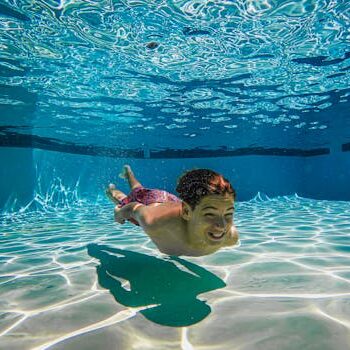
The Walter Baker Sports Centre provides facilities such as swimming pools, ice rinks, and gyms. They have a warm teaching pool as well as a preschool pool that is perfect for young autistic children. Swimming is one of the most important skills that autistic children should learn. Swimming is a leisure skill that many autistic children enjoy for the sensory feedback, and it is also a critical life skill that helps to safety-proof your child against drowning. Water-related deaths are significantly higher in children with autism. When attending a sports or recreation centre, your child can also work on a variety of other skills.
Language skills — talking about the things and activities found at the sports centre can increase their vocabulary for talking and understanding. When labeling the areas of the sports complex you might want to provide the function or purpose of the area. For example, if you’re in the change room you may want to talk about things such as the bench, stall, washrooms, shower, sink, and locker and what each of those items are used for.
Motor skills — swimming and skating also provide many opportunities to work on gross motor skills such as arm movements, leg movements, and hand movements, and refining those movements so that they become more fluent and automatic.
Social skills — spending time at a recreation centre also allows your child to practice waiting their turn to use various equipment or to access the change room, washrooms, pool, or skating rink. You can also practice appropriate greetings (i.e., saying ‘hi’ to the person at the front desk) and closings (i.e., saying ‘goodbye’ to the receptionist as you leave). Participating in group classes can also enhance social interactions and comprehension skills as children follow instructions and interact with peers.
For more information, visit ottawa.ca.
Tie Dye with Us to Celebrate the Spectrum (Autism Ontario Event)

Autism Ontario is hosting a “Celebrate the Spectrum” event in Ottawa on March 29th, 2025, with a tie-dye shirt activity and other family-friendly programming to mark World Autism Day. The event will include family-friendly programming such as art making, family-friendly tours of the AGO Collection, a self-guided activity book, and a marker station. The tie-dye concept symbolizes the individuality of all autistic individuals since each shirt is one-of-a-kind, just like those with autism.
You need to pre-register for the event so don’t delay as they usually sell out. Register at: celebratethespectrum.com. You will be able to create your own tie-dye shirt and can order your shirt or you can bring one of your own. You’re encouraged to wear your tie-dye shirt to World Autism Day on April 2nd, 2025 and all other Autism Month celebrations. While at the event your child will have many opportunities to develop skills across many areas.
Language skills — this is a perfect opportunity to acquire and use words that include the names of the materials you’ll be using such as the dyes, T-shirt, and the names of the colours used, and opportunities to ask for help and follow instructions.
Motor skills — fine motor skills such as rolling up or gathering the T-shirt, tying it with elastics or string, and dipping it into vats of colour or applying colour to it will increase their hand strength, coordination, and dexterity.
Social skills — events with other autistic children and their families are great places to safely practice a variety of social skills without fear of judgement and often with much help from the fellow attendees and the hosts. You can practice polite asking, waiting appropriately in line or for a turn or for an item, and working in a group.
For more information and to register, visit autismontario.com.
Signs of Spring Walk Activity
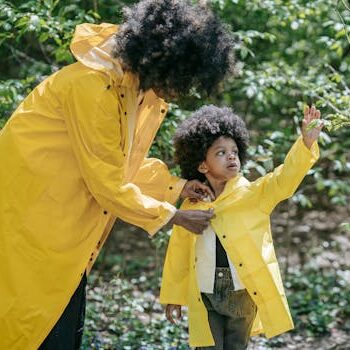
Create a simple Signs of Spring book to focus on the early signs of spring. The book can simply be a collection of photographs that you take when out on a walk in your neighbourhood or favourite Ottawa park, or it can be a slide show that you develop with the photographs, to which you can add voice recording or music to enhance your picture collection and make for a better viewing experience. When looking for signs of spring, be sure to include things like snow melting, flowers blooming, leaves turning green, plants shooting up, the tulips in Ottawa, birds nesting, baby animals around, the weather, and spring clothing. This activity provides many opportunities to increase a number of skills for your child.
Language skills — vocabulary building can include weather-related words (snow, ice, melting, water, trickling, streams, rain, warm, sun), animal-related words (birds, ducks, chicks, bunnies, butterflies), and plant-related words (buds, green leaves, shoots, seedlings, trees, tulips, crocuses, snow drops, hyacinths, daffodils). You can collect a variety of pictures of the same objects and use them for matching skills and labeling items as the same or different.
Motor skills — you can encourage your child to take the pictures or at least point out what they want you to photograph. Spring is also an opportunity to practice cleaning with items such as rakes, shovels, mops, and rags. Children can be given small tools and specific movements to help with the spring cleaning. These chores will help develop their motor coordination skills and their functional use of tools.
A great resource to give you additional ideas about how to include your child with spring cleaning can be found on the Children’s Health website.
Celebrate your child’s uniqueness in a fun and inclusive way
Engaging in these activities during World Autism Month not only celebrates your child’s uniqueness but also supports their overall development in a fun and inclusive environment.
Additional Resources
- To keep informed of autistic family-friendly events, you may want to sign up for the Autism Ontario newsletter and stay informed of the events in the Ottawa area (East region).
Compassion, with Evidence
Maximum Potential provides family-focused care and resources for children diagnosed with autism spectrum disorder and other neurodevelopmental challenges and disabilities.
We put our clients, patients, and caregivers at the centre of everything we do, and work with you to identify the right evidence-based practices for your child and family.