One great way to engage with your autistic child is through hands-on activities that stimulate the senses while fostering important developmental skills. DIY sensory toys are fun, budget-friendly, and provide wonderful opportunities for skill-building in language, motor coordination, academics, and social interaction.
First, determine what type of sensory input your child prefers — auditory (sound), tactile (kinesthetic/textures), visual (watching things), proprioceptive (physical movement), olfactory (smells) or gustatory (tastes). Then choose the sensory toys that match your child’s preferences. Here are some easy-to-make sensory toys and the skills they can help develop.
Auditory: sounds
Musical Shakers
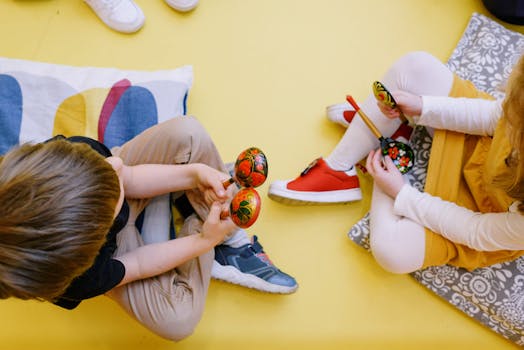
Fill small containers with beans, beads, or rice and seal them.
For more ideas when considering making musical shakers, visit the “DIY Sensory Toys and Sensory Play Activities” videos which demonstrate how to create various sensory toys, including musical shakers.
Language Skills — Listening skills to identify different sounds (auditory discrimination), requesting for specific items by their name (maraca, shaker), labeling words that are used to describe the sounds such as loud and quiet, or the actions used with the musical shakers such as shake and tap.
Motor Skills — to refine coordinated movements to increase rhythm and timing.
Tactile: touch, kinesthetic, textures
Sensory Bottles
Fill a plastic bottle with water, glitter, beads, small toys, and food colouring for a calming visual sensory experience. For more information and how-to instructions, Autism Speaks offers a detailed guide on making DIY sensory bottles, including a video tutorial, and The Aspie World provides a video on creating autism sensory toys, including sensory bottles.
Language Skills — Vocabulary development for naming colours, objects, requesting materials, and following instruction.
Motor Skills — fine motor skills for pouring and shaking.
Slime or Playdough
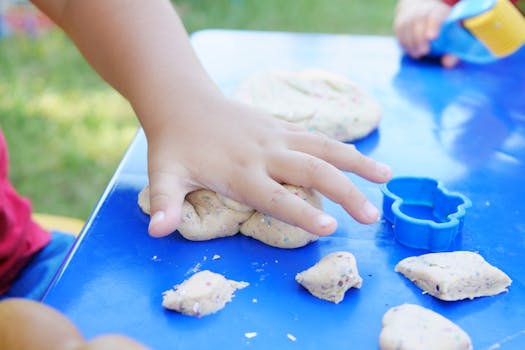
Mix glue, baking soda, and contact lens solution for slime, or combine flour, salt, water, and oil for homemade play dough.
For detailed instructions on how to make these items visit the Autism Parenting Magazine or you might want to watch the “3 DIY Sensory Toys For Autism or SPD” video which demonstrates how to make sensory toys, including slime.
Language Skills — Sequencing skills by following a recipe, requesting items, and use of descriptive language such as soft, sticky, stretchy.
Motor Skills — fine motor development and coordination by kneading, rolling, cutting, and shaping actions.
Social Skills — turn-taking while making the items and then when playing with them.
Textured Sensory Boards
Glue different textured materials (felt, sandpaper, bubble wrap, cotton) onto a board.
For more information for textured sensory boards visit the Autism Parenting Magazine, and this “DIY Sensory Toys and Sensory Play Activities” video by Fathering Autism offers ideas that can be adapted for creating textured boards.
Language Skills — vocabulary building by describing textures such as rough and smooth.
Sensory & Self-regulation Skills — tactile input and sensory regulation.
Social Skills — turn-taking by playing ‘touch and tell’ games.
Rainbow Rice or Pasta Bins
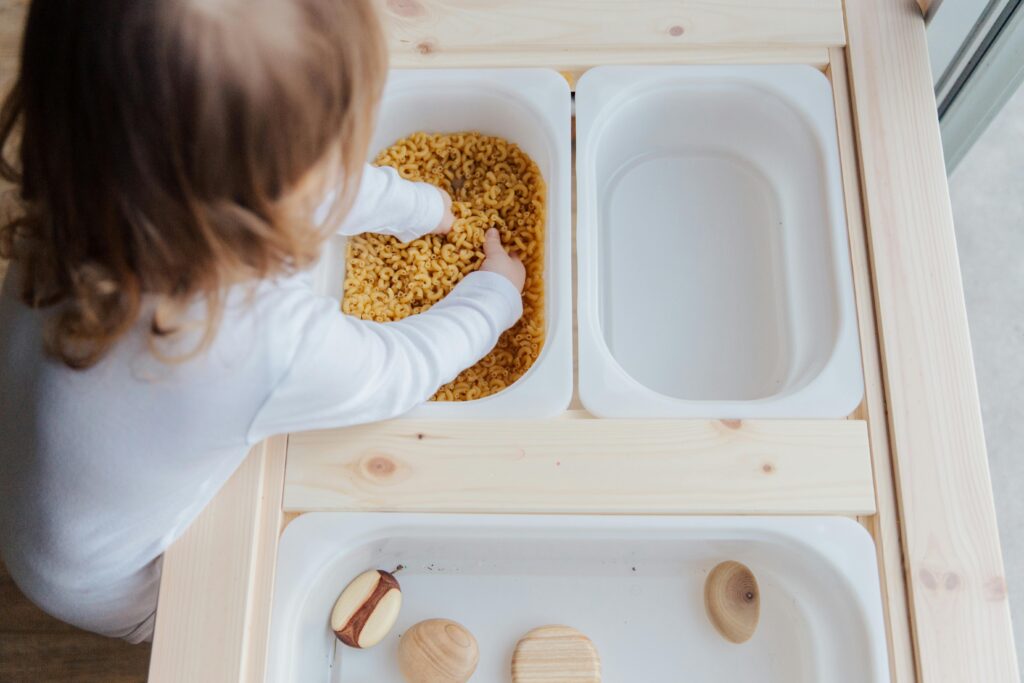
Dye uncooked rice or pasta with food coloring and let it dry. Add scoops, cups, and small toys. These can be set up as theme-based sensory bins. For additional information about rice or pasta bins, visit the Autism Parenting Magazine and watch this “DIY Sensory Toys and Sensory Play Activities” video which also includes segments on creating sensory bins, which can be adapted for rainbow rice or pasta.
Language Skills — using colour names, identifying items by colour, requesting items by their names, vocabulary building (if using a theme bin).
Motor Skills — increase fine motor skills by scooping, pinching, shoveling, and digging in the rice or pasta.
Sensory & Self-regulation — the rice or pasta provide tactile sensations which can calm some individuals and provide some self-regulation.
Balloon Stress Balls
Fill balloons (use latex-free exam gloves if your child is allergic to latex in balloons) with flour, rice, or cornstarch and tie them off for a fun squishy toy.
For detailed instructions, check out this video from WhatsUpMoms on DIY Stress Balls.
Language Skills — vocabulary building by using texture-labels such as soft, smooth, squishy, or bumpy.
Motor Skills — improve hand grip and hand strength when squeezing the stress balls.
Sensory & Self-Regulation — sensory exploration can occur when using different materials in the stress balloons.
Visual: sights, watching things

Calm Down Glitter Jars
Fill a jar with warm water, glitter glue, and sequins. Shake and watch it settle.
If you are looking for a tutorial, visit Louder Than Word’s “DIY Sensory Bottles & RainStick” video which includes instructions on making glitter jars.
Language Skills — increase the identification/understanding and use of descriptive vocabulary such as sparkly, swirling, floating, warm.
Sensory & Self-regulation — visual stimulation which may assist in calming and self-regulation for your child; attention and focus skills may also increase when able to access calming activities. As well, self-regulation skills such as waiting and turn-taking can be practiced during making and using the glitter jars.
Sensory Bags
Fill a resealable bag with gel, small toys, or beads and tape it shut. You can also use miniature themed items (e.g., for holidays or thematic units) to build specific vocabulary and/or match your child’s preferences. (Warning: if your child likes to bite squishy things then you might want to choose a different activity to keep them safe from ingesting the objects or liquid.)
Check out Kenton Library’s step-by-step video guide on creating sensory bags.
Language Skills — increase understanding and use of vocabulary such as action words (push, press, squish) and descriptive words and concepts such as hard and soft.
Motor Skills — increase gross motor hand strength and fine motor skills (finger movements) with actions such as pressing, poking, and squeezing the bags.
Sensory & Visual Skills — increase visual tracking skills and provide visual feedback/sensation when your child follows the objects in the bag.
Homemade Puzzle Boards
Cut pictures or photographs into pieces and create custom puzzles on cardboard. These can be thematic or based on your child’s favourite toys, movies, shows, or action figures.
For step-by-step instructions visit The Many Little Joys.
Visual Skills — increase matching skills, spatial skills, and part-to-whole abilities.
Academic Skills — increase problem-solving skills.
Motor Skills — provide practice opportunities for fine motor skills through picking up small pieces, rotating pieces, and having pieces butt up against another piece (think tangrams).
Proprioceptive: physical movement
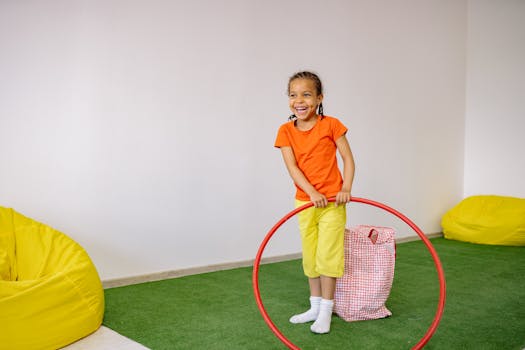
DIY Obstacle Course
Use pillows, tunnels, hula hoops, blocks, and tape to create a movement-based course. For tons of ideas and specific information visit the NAPA Centre’s website where an Occupational Therapist shares her ideas.
Language — build vocabulary skills for action words such as jumping, crawling, climbing, and rolling. Have your child follow instructions that increase in length and complexity from 1-step instructions to 2- or 3-step instructions.
Motor Skills — increase gross motor skills for actions and your child’s spatial awareness.
Social Skills — encourage teamwork (working in dyads — 2 people; or small groups) and create opportunities for turn-taking.
While making these toys, encourage your child to be actively involved. Narrate each step, model new vocabulary, and provide opportunities for them to request materials, make choices, and describe what they are doing. These activities are not just about fun—they help build essential skills while fostering connection and engagement.
Additional Resources
About Maximum Potential
Maximum Potential provides compassionate, family-focused care and resources for children diagnosed with a variety of learning and developmental challenges. We individualize the program to meet the needs of your child.
We put our clients, patients, and caregivers at the centre. We work with them to identify the right evidence-based practices that work for their child and family.